|
Welcome to our News Update for the Summer 2021, if you are visiting the Hunstanton SEA LIFE, don´t forget to purchase your entrance tickets in advance.
|
|
Click here or on the photo of your choice below to see a larger version of the image.
|
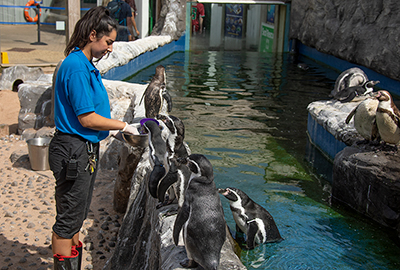
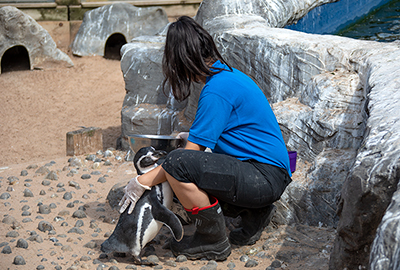
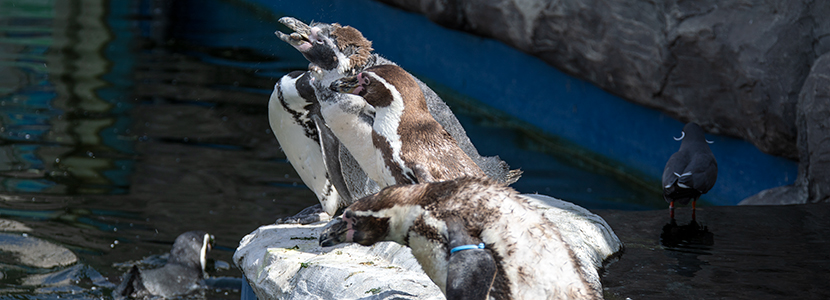
The penguins have their annual moult during the summer months, and although there will be 3-4 weeks period when all of them will look scruffy, it won´t be long before they start to produce a beautiful new coat of feathers!!
This is an itchy process for the little group of penguins and it can put them off their food, which is why it is so important for the team to regularly weigh them and monitor any changes in their weight.
During the moult, their insulation and waterproofing are compromised so they remain on land until their plumage returns to its best possible condition.
|
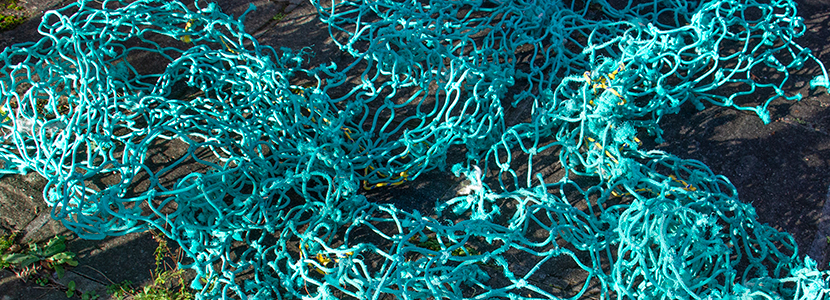
Many different species of marine life are affected by entanglement from marine debris; from cetaceans, turtles, sea birds and seals. Each year the rate of entanglements around the UK has increased, causing serious welfare implications for a large number of species.
There are 34 pinniped species around the world, inhabiting different areas of the globe, and just over 55% of these are affected by some form of marine entanglement. Click here to read more.
|
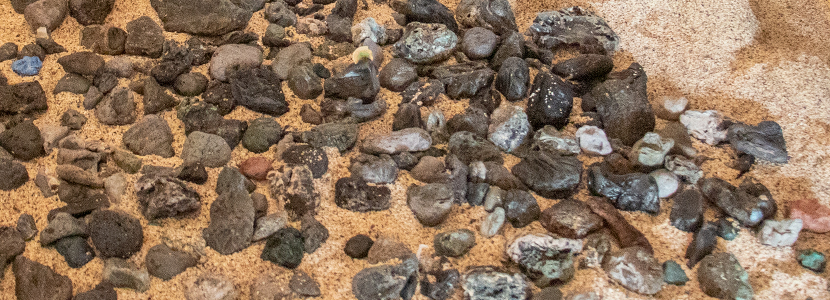
| Do you know what are Plastiglomerates?
|
|
Plastiglomerates - plastic pollution that looks like rocks and pebbles is being found on beaches across the globe, including Norfolk. Click here to read more about Plastiglomerates.
|
| Say "Au revoir" to Hollie and Kieran
|
This summer we said cheerio to two very wonderful staff, Hollie and Kieran.
Kieran started at Sea Life when he was 18 years old, after 27 years with vast experience with seals. Hollie joined the Sea Life family in 2009. We wish them both all the best for the future!
|
Souvenir Guide Books
Here are the front covers of the Sanctuary´s Guide book.
If during your next visit you purchase a copy, the profits go towards the care of the rescued seal pups in the hospital.
|

|
| If you find a Seal in the Wild
|
|
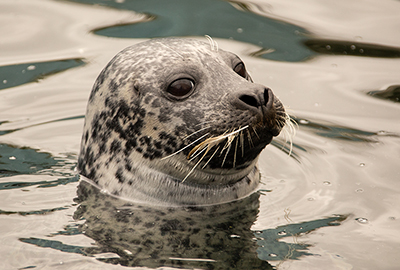
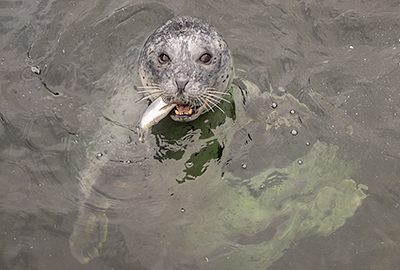
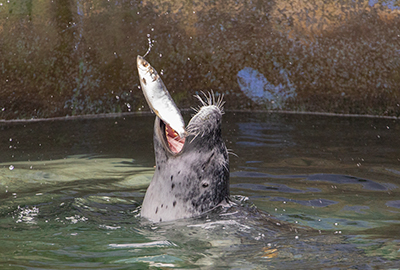
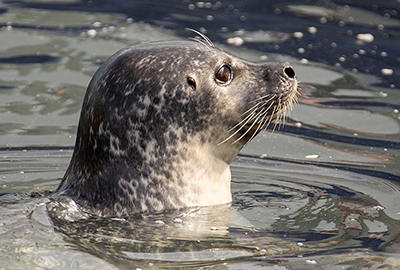
For over 30 years Hunstanton SEA LIFE Sanctuary has been rescuing, rehabilitating and releasing seal pups from the North Sea coastline and beyond that find themselves in trouble, whether it be eye problems, respiratory infections and malnourishment to broken bones, pollution-related problems and being separated from their mother too soon.
A quick reminder that if you discover a seal pup that is in distress or alone, please call the Hunstanton SEA LIFE on 01485 533576 and/or the British Divers Marine Life Rescue (BDMLR) team on 01825 765546.
The Animal Care Team are on call around the clock to race to the rescue of seal pups in trouble anywhere around the coast.
DO keep your distance;
DON´T attempt to handle or touch the pup;
DON´T attempt to put the pup back in the sea;
DON´T ignore the situation;
DO tell the appropriate organisation.
|
|
When you ring, please be prepared to give an exact location of the seal, your contact details, what condition is the seal in for example is it alone, thin, injured or seems unwell (noisy breathing, coughing, runny nose). Tell people around you to keep clear of the seal by at least 50 metres, if you can, draw a circle in the sand around the pup.
Remember most often seals come out of the water on to land to rest, digest after eating their food, relax and sleep.
|
|
What to do if you find a dead seal on beach!
If you come across a dead seal, the advice is not to touch or go near it, please call
West Norfolk council on 01553 616200.
If you find a stranded living marine animal, please call the SEA LIFE Sanctuary on 01485 533576 and/or the British Divers Marine Life Rescue (BDMLR) team on 01825 765546.
|
|
This news update has been put together by volunteers/supporters of the Hunstanton SEA LIFE Sanctuary.
|
|